%20--%3e%3cdefs%3e%3cstyle%3e%20.st0%20{%20fill:%20%23231f20;%20}%20.st1%20{%20fill:%20%235980c0;%20}%20%3c/style%3e%3c/defs%3e%3cg%3e%3cg%3e%3cpath%20class='st0'%20d='M0,1.77h6.9l13.98,37.74h.12L34.74,1.77h7.02v44.4h-5.22V10.23h-.12c-.6,2.34-1.68,5.22-2.7,8.16l-10.62,27.78h-4.74L7.74,18.39c-1.08-2.94-1.8-4.8-2.76-8.34h-.12v36.12H0V1.77Z'/%3e%3cpath%20class='st0'%20d='M53.28,1.77h5.28v44.4h-5.28V1.77Z'/%3e%3cpath%20class='st0'%20d='M70.08,1.77h5.58l23.34,35.1h.12V1.77h4.98v44.4h-4.74l-24.18-36.06h-.12v36.06h-4.98V1.77Z'/%3e%3cpath%20class='st0'%20d='M114.17,1.77h11.7c14.28,0,22.38,7.2,22.38,22.08s-8.28,22.32-22.38,22.32h-11.7V1.77ZM126.53,41.43c10.74,0,16.44-5.22,16.44-17.58s-5.76-17.22-16.56-17.22h-6.96v34.8h7.08Z'/%3e%3cpath%20class='st0'%20d='M176.99,2.11l12.41,33.61,12.41-33.61h5.42l-17.83,46.69L171.57,2.11h5.42Z'/%3e%3cpath%20class='st0'%20d='M239.81,33.75h-18.76l-5.28,12.42h-5.41L230.64,0l19.75,46.16h-5.42l-5.15-12.42ZM237.9,29.12l-7.4-17.63-7.53,17.63h14.92Z'/%3e%3cpath%20class='st0'%20d='M279.94,10.83c-.59-1.19-1.58-2.51-2.58-3.3-.86-.66-2.44-1.52-4.95-1.52-4.36,0-7.4,2.71-7.4,6.8,0,1.72.46,2.71,1.65,3.83,1.32,1.32,2.97,2.05,4.62,2.77l4.23,1.85c2.58,1.12,4.95,2.31,6.8,4.16,2.25,2.25,3.17,4.82,3.17,7.99,0,8.12-6.01,13.54-13.93,13.54-2.91,0-6.54-.59-9.57-3.57-2.18-2.11-3.5-5.15-4.09-7.79l4.75-1.32c.33,2.31,1.39,4.29,2.64,5.61,1.92,1.91,4.09,2.44,6.34,2.44,6.01,0,8.85-4.29,8.85-8.72,0-1.98-.59-3.7-2.18-5.15-1.25-1.19-2.97-1.98-5.28-3.04l-3.96-1.85c-1.72-.79-3.9-1.72-5.88-3.63-1.92-1.85-3.04-3.9-3.04-7.2,0-6.8,5.22-11.36,12.35-11.36,2.71,0,4.89.53,7.07,1.98,1.78,1.19,3.3,2.97,4.29,4.89l-3.9,2.58Z'/%3e%3cpath%20class='st0'%20d='M311.34,6.74v39.42h-4.89V6.74h-10.7V2.11h26.28v4.62h-10.7Z'/%3e%3c/g%3e%3cpath%20class='st0'%20d='M159.43,27.24c0-1.09.4-2.04,1.2-2.84s1.76-1.2,2.87-1.2,2.07.4,2.87,1.2c.8.8,1.2,1.76,1.2,2.87s-.4,2.1-1.2,2.9-1.74,1.17-2.87,1.17-2.12-.39-2.9-1.17c-.78-.78-1.17-1.76-1.17-2.93Z'/%3e%3c/g%3e%3cg%3e%3cpath%20class='st1'%20d='M336.64,1.38c1.42,0,2.29.14,2.92.49.88.49,1.4,1.46,1.4,2.67,0,1.33-.72,2.38-2.18,2.81,1.75.31,2.63,1.51,2.63,3.17,0,1.33-.61,2.41-1.6,2.99-.77.45-1.75.59-3.57.59h-4.93V1.38h5.33ZM333.59,6.53h2.61c.74,0,1.33-.09,1.73-.29.47-.23.72-.74.72-1.33s-.16-1.1-.68-1.37c-.38-.2-.9-.25-1.69-.25h-2.68v3.24ZM333.59,12.17h2.47c.99,0,1.78-.09,2.3-.43.41-.27.65-.76.65-1.4s-.23-1.24-.72-1.55c-.47-.29-1.04-.36-2.02-.36h-2.68v3.75Z'/%3e%3cpath%20class='st1'%20d='M343.22,14.1V1.38h8.84v1.96h-6.54v3.24h6.03v1.96h-6.03v3.57h6.9v1.98h-9.2Z'/%3e%3cpath%20class='st1'%20d='M356.58,14.1V3.35h-3.58v-1.96h9.54v1.96h-3.6v10.75h-2.36Z'/%3e%3cpath%20class='st1'%20d='M370.44,14.1l-1.01-2.97h-5.02l-1.03,2.97h-2.47l4.83-12.71h2.54l4.65,12.71h-2.49ZM368.88,9.32c-.72-2.07-1.33-3.8-1.93-5.65-.41,1.28-.87,2.54-1.98,5.65h3.91Z'/%3e%3c/g%3e%3c/svg%3e)
Method
Understanding requires more than an answer.
MindVast brings scholarly evidence, competing explanations, and unresolved questions into a structured interpretation, helping researchers examine not only what research suggests, but what remains open to investigation.
Our principles
Research advances through questions, evidence, and criticism.
An explanation becomes more useful when its supporting evidence, assumptions, alternatives, and limitations can be examined.
Question the assumptions
Every interpretation depends on assumptions, definitions, and a particular understanding of the research problem.
Making those assumptions visible helps researchers evaluate the explanation.
Examine the evidence
Research findings provide grounds for interpretation, but their meaning depends on context, methods, and the questions being asked.
Consider alternatives
Competing explanations can account for the same observations or scholarly material.
Comparing them helps clarify their strengths, differences, and limitations.
Acknowledge uncertainty
Not every research question has a settled answer.
A responsible interpretation distinguishes what is supported, what is contested, and what remains unresolved.
Evidence & interpretation
Evidence is not the same as explanation.
Scholarly findings do not interpret themselves.
The same evidence may support different explanations depending on their assumptions, scope, and theoretical commitments.
MindVast helps researchers distinguish between what available sources report and the interpretations developed from that material.
Evidence can support an explanation without establishing it conclusively.

Multiple perspectives
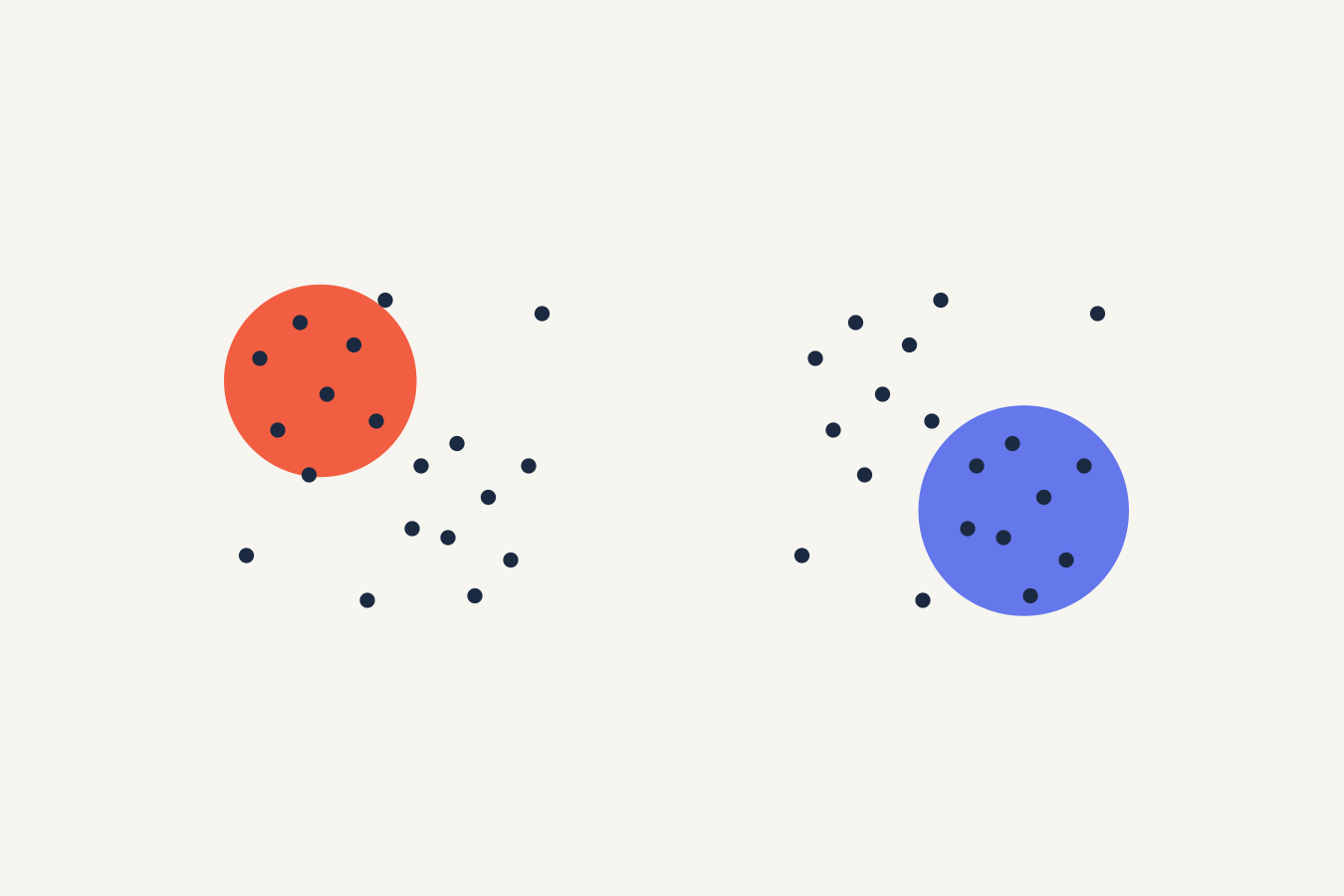
Different explanations can account for the same evidence.
Scholarly understanding often develops through competing interpretations, criticism, new findings, and revision.
A useful research analysis makes alternative explanations visible rather than presenting one interpretation as unquestionable.
MindVast helps researchers examine where explanations agree, where they differ, and which questions remain unresolved.
The strongest available interpretation is not necessarily a final explanation.
Intellectual restraint
Knowing what remains unknown matters.
Research does not always produce definitive conclusions.
Some findings are well supported. Others remain contested, incomplete, or dependent on assumptions that have not been fully examined.
MindVast makes these distinctions visible so researchers can assess interpretations without confusing uncertainty with certainty.
- Supported
- What the available evidence provides grounds to accept or consider.
- Contested
- Where evidence, arguments, or interpretations remain in disagreement.
- Unresolved
- What cannot yet be established from the available research material.
Traceable research
An interpretation should lead back to its sources.
MindVast connects research interpretations to identifiable scholarly sources so users can examine the material informing an analysis.
The availability and completeness of source material vary across publications and disciplines. Where analyses rely on abstracts and scholarly metadata rather than full papers, those limitations should be made clear.
- Source visibility
- Inspect the scholarly works associated with an interpretation.
- Evidence relationships
- Examine how available sources relate to claims and competing explanations.
- Limitations
- Recognize where the available material does not establish a definitive conclusion.
MindVast supports scholarly investigation. It does not replace critical reading, independent verification, or expert judgment.
What would you like to understand?
Start with a question.
Begin research →